
The Role of Personalized Medical Jewelry for Safety
Posted by Mack Johnson on May 27th 2026
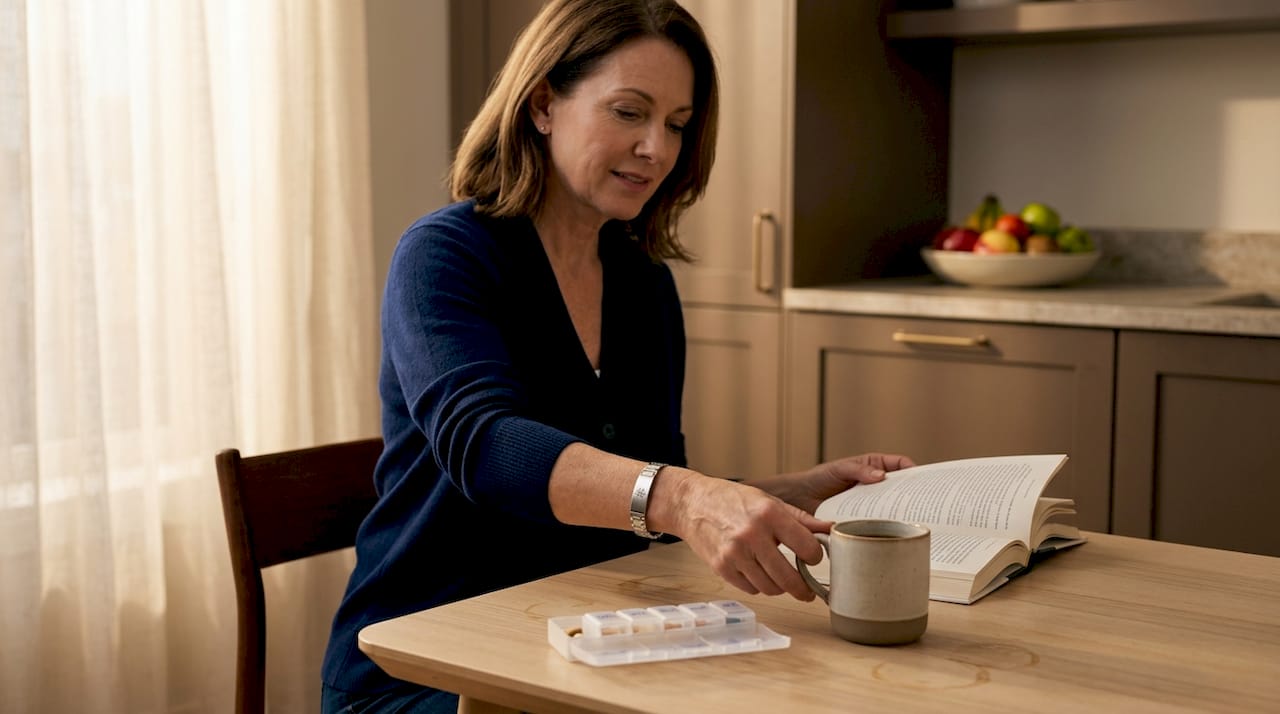
When seconds matter, your medical jewelry speaks for you. The role of personalized medical jewelry goes far beyond decoration. It tells emergency responders exactly what they need to know before you can say a word. Yet most people wearing a standard medical ID are leaving critical safety gaps on the table. They have the right idea but the wrong execution. This article breaks down how to make your medical identification work harder, look better, and connect more deeply to who you are.
Table of Contents
- Key takeaways
- The role of personalized medical jewelry in emergencies
- Modern design and materials for stylish daily wear
- How to wear, update, and integrate your medical ID
- The emotional value of personalized engravings
- My take on what actually moves the needle
- Find your perfect medical ID with Divotiusa
- FAQ
Key takeaways
| Point | Details |
|---|---|
| Emergency responders look first | Over 95% of first responders scan for medical IDs, making placement and visibility non-negotiable. |
| What to engrave matters | Include your name, condition, allergies, and emergency contact to cover the most critical scenarios. |
| Material choice protects you twice | Titanium and 316L stainless steel resist both skin irritation and physical wear over years of daily use. |
| Personalization drives compliance | Emotional connection to a piece keeps you wearing it consistently, which is the whole point. |
| Update your info regularly | Reviewing engraving details every six months keeps your medical ID accurate when it counts most. |
The role of personalized medical jewelry in emergencies
Most people assume first responders will find their phone, check their wallet, or ask a bystander for medical information during an emergency. That assumption is wrong. Over 95% of emergency responders actively scan for medical identification on a patient’s body as one of their first actions on scene. A bracelet or necklace with the right information can redirect care within seconds.
So what counts as the right information? Here is what medical professionals recommend engraving on your piece:
- Your full name so responders can confirm identity without reaching for a wallet
- Primary medical condition(s) such as Type 1 Diabetes, Epilepsy, or Severe Penicillin Allergy
- Critical drug or food allergies because a medical ID for allergies can prevent a dangerous treatment error
- Emergency contact name and phone number to reach someone who knows your full history
- Physician or specialist contact if you have a complex or rare condition
Character limits on engraving matter. Standard tags hold up to 216 characters, so use accepted medical abbreviations. “T1D” for Type 1 Diabetes. “NKDA” for No Known Drug Allergies. “EPI PEN REQUIRED” written clearly takes priority over a long-form explanation.
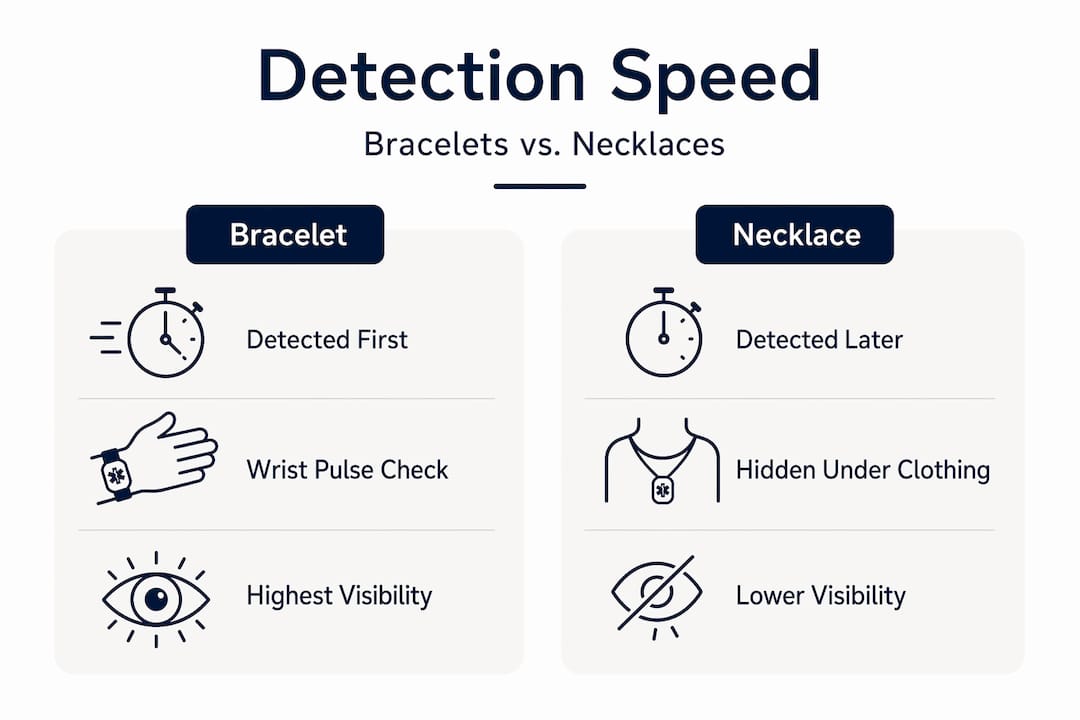
Bracelets outperform necklaces for detection speed because responders check the wrist when taking a pulse. A necklace is still valuable as a backup layer, but if you can only wear one piece, go with a bracelet.
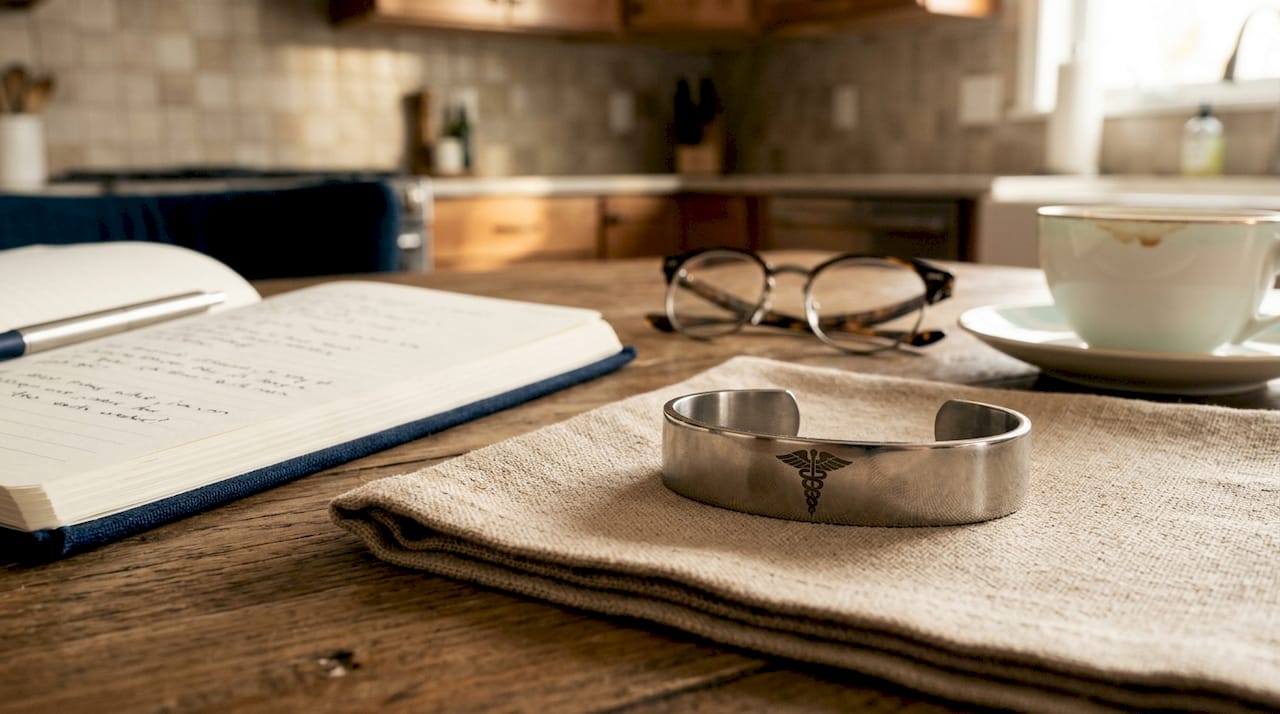
Pro Tip: Engrave the medical symbol (the Star of Life or a simple caduceus) on the front of the piece so responders recognize it immediately before they even read a word.
Modern design and materials for stylish daily wear
Medical jewelry does not have to look medical. This is where personalized health identification has made the biggest leap in recent years. The 2026 design trend leaning heavily on Quiet Luxury aesthetics favors subtle, tonal engravings where the medical symbol is visible to trained responders but blends naturally into the piece for everyday wear. Think matte finishes, minimal fonts, and clean geometry rather than the bright red caduceus of older designs.
Material choice is where function and comfort converge. Here is a comparison of the most common options:
| Material | Hypoallergenic | Durability | Engraving Longevity | Best For |
|---|---|---|---|---|
| Implant-grade titanium | Excellent | Very high | 10+ years | Sensitive skin, active lifestyles |
| 316L stainless steel | Good | High | 5-8 years | Budget-conscious, everyday wear |
| Sterling silver | Moderate | Medium | 3-5 years | Fashion-forward, occasional wear |
| Gold-filled | Good | Medium-high | 5-7 years | Formal occasions, layering looks |
Implant-grade titanium is the professional standard for medical jewelry because it carries the lowest risk of skin sensitization. If you or a loved one already deals with a chronic condition that affects the immune system or skin, titanium removes one more variable from the equation.
One detail most buyers overlook is the clasp. Standard fashion clasps can snap, loosen, or come undone during a fall or medical event. Secure, escape-proof clasps are a requirement for medical jewelry, not an upgrade. A beautiful bracelet that falls off in an emergency provides zero protection. Look for lobster clasps, safety clasps, or adjustable locking closures when reviewing pieces.
Layering is a practical solution for wearers who love accessories. A medical bracelet worn alongside everyday jewelry normalizes the medical ID as part of your look rather than a clinical badge. Choosing matching metals or complementary textures makes it feel intentional. You can explore engraved bracelet styles that work with different aesthetics without compromising the piece’s clarity.
Pro Tip: If you wear your medical ID daily, choose titanium or 316L stainless steel for longevity. Engraving on softer metals fades faster, and illegible engraving defeats the entire purpose.
How to wear, update, and integrate your medical ID
Knowing you need a medical ID is step one. Getting the most out of it requires a bit more thought. These four practices make a real difference in emergency outcomes.
-
Wear it on your dominant wrist. Responders check the dominant wrist first when taking a pulse and vital signs. Wearing your medical ID there maximizes the chance it gets seen in the critical first minutes of care.
-
Review your engraving every six months. Medications change. Diagnoses evolve. Allergies get confirmed or ruled out. Updating your engraving details every six months is the recommended cycle for keeping your information current. Outdated information can mislead responders just as easily as no information at all.
-
Pair your jewelry with a digital layer. QR codes and NFC chips embedded in newer jewelry designs link to a full digital health profile, giving responders access to your complete medication list, physician contacts, and more complex history. This digital layer complements engraved information. It does not replace it, because not every responder will have a phone or scanner ready.
-
Consider specific use cases. New mothers face a heightened medical risk window. Post-Birth Alert bracelets signal a high-risk postpartum period to emergency staff for the six weeks following delivery. Georgia hospitals have reported that these visible bands improve emergency staff awareness and expedite maternal care. For parents of children with allergies or chronic conditions, pediatric sizing and secure clasps are equally critical. A piece that fits properly is one that stays on.
For seniors managing multiple conditions, the considerations around jewelry type and information density are different still. Resources on emergency jewelry for seniors can help caregivers select the right pieces.
The emotional value of personalized engravings
Here is something most medical ID conversations skip entirely: the psychological dimension. If a piece of jewelry feels clinical, cold, or like a constant reminder of illness, people take it off. They forget to put it back on. Over time, it ends up in a drawer.
Personalized engravings change that dynamic. Adding a name, a short meaningful phrase, or a symbol that reflects identity transforms the medical ID into something a person chooses to wear rather than something they feel obligated to wear. Personalized jewelry consistently polls as more thoughtful and meaningful than generic items, with around 80% of people perceiving it that way. That emotional connection translates directly into consistent wear, which is what keeps the ID functional.
For caregivers purchasing tailored medical jewelry for a loved one, the engraving becomes an act of care. It signals “I thought about you specifically.” That resonance matters, especially for children, seniors, and individuals managing long-term conditions who can feel reduced to their diagnosis.
Some personalization approaches that resonate well with wearers include:
- A chosen name or nickname rather than a legal name the person does not identify with
- A brief personal phrase such as a mantra, a small symbol, or a pet’s name on the back of the piece
- Birthstones or color-accented metals that reflect individual taste
- Coordinated family sets for caregivers who want to match a child’s ID with a parent’s
The emotional power of personalized engraving also connects to mental health considerations. Feeling seen, cared for, and personally acknowledged has measurable effects on well-being and daily behavioral choices. Fashionable medical alert accessories worn with intention are a form of self-advocacy.
My take on what actually moves the needle
I’ve spent years working around people managing chronic conditions, and the honest truth is this: most wearers I’ve talked to started with a generic medical ID and eventually stopped wearing it. Not because they stopped needing it. Because it felt like a stigma they had to carry rather than a tool they chose.
What I’ve seen actually work is when the piece means something. When the engraving reflects who the person is, not just what condition they have. When the metal feels good on skin every day, and the design holds up under real life. The right metal type is something most people get wrong the first time because they prioritize look over function. It costs them in comfort and durability.
The other thing I rarely see covered well is update frequency. People engrave a piece and treat it as permanent. Medical reality is not permanent. A bracelet engraved five years ago may describe a person who no longer exists medically. That gap can create real confusion in a critical moment.
My honest recommendation: treat your medical ID like your emergency contact list in your phone. Check it every six months, keep it current, and wear it somewhere it will actually be found. Everything else is secondary.
— Mack
Find your perfect medical ID with Divotiusa
If this article has you rethinking your current medical ID or choosing one for the first time, Divotiusa makes that decision easier.
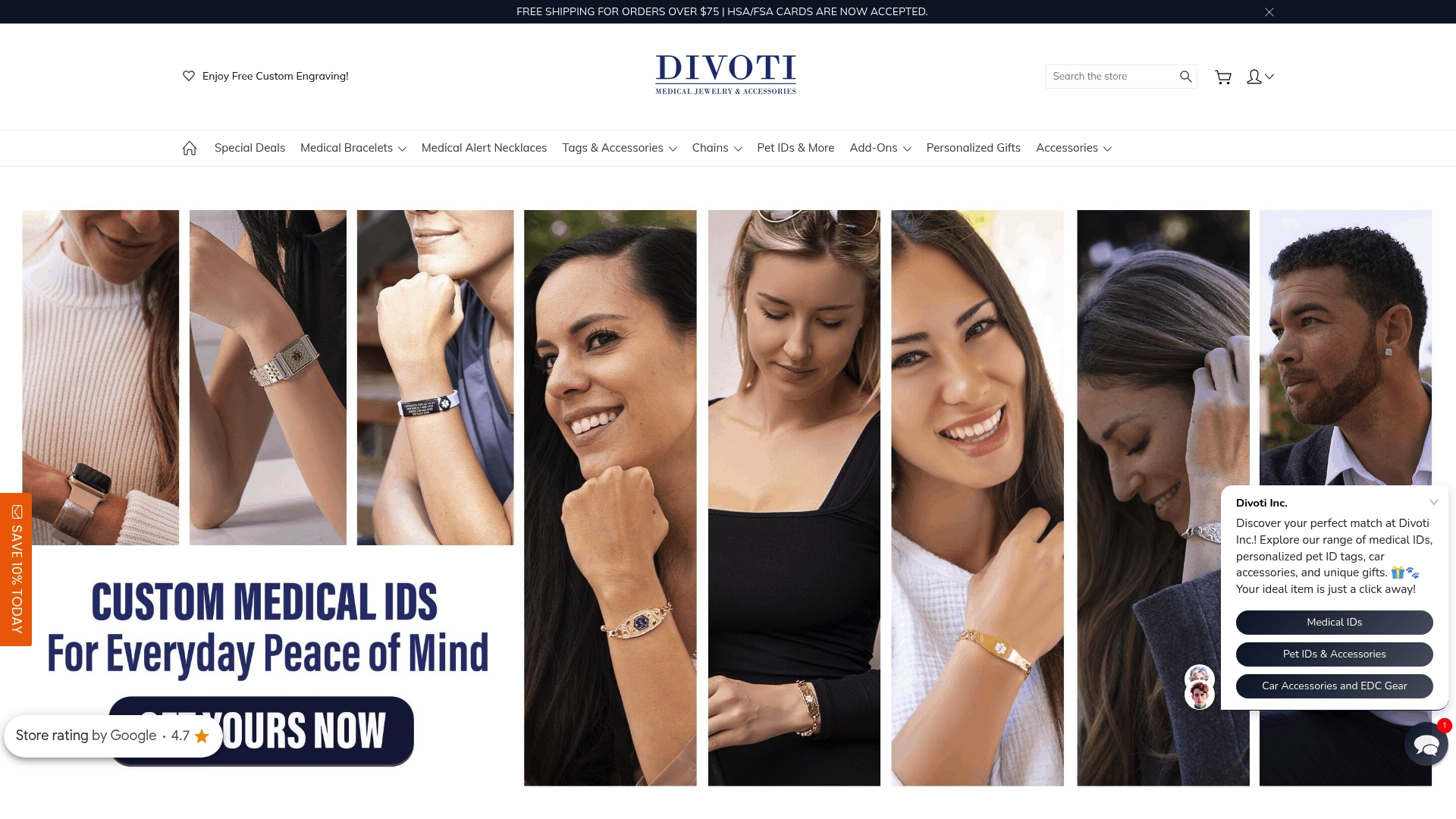
Divotiusa specializes in custom engraved medical alert jewelry crafted from hypoallergenic materials like titanium and 316L stainless steel, with secure clasps built for real-world emergencies. Every piece is designed to carry your critical health information clearly while fitting your personal style. Whether you manage a chronic condition, care for someone who does, or are preparing for a specific health window like postpartum recovery, Divotiusa has adjustable bracelets and necklaces designed to meet you where you are. Browse styles that balance safety with genuine beauty, and know that the right piece is one you will actually wear every day.
FAQ
What information should I engrave on a medical ID?
Engrave your name, primary medical condition(s), critical allergies, and an emergency contact number. If you take medications that affect emergency treatment, include those as well using standard abbreviations to fit within engraving character limits.
Where is the best place to wear a medical alert bracelet?
Wear it on your dominant wrist. Responders check for pulse and vital signs there first, which means your medical ID gets seen faster during emergencies.
How often should I update my medical jewelry engraving?
Review and update your engraving at least every six months. Medical conditions, medications, and emergency contacts change, and outdated information can mislead responders.
Can medical jewelry be both stylish and functional?
Yes. Modern personalized emergency jewelry uses materials like titanium and matte steel with Quiet Luxury design principles to create pieces that look like regular jewelry while still communicating critical health information clearly to trained responders.
What materials are safest for medical ID jewelry?
Implant-grade titanium is the top recommendation for people with sensitive skin or immune conditions because it offers the lowest risk of metal sensitization. 316L stainless steel is a durable and widely available alternative for everyday wear.
Recommended
- Why Seniors Need Emergency Contact Jewelry - Divoti Inc.
- Engraved Medical Bracelet Styles That Work for You - Divoti Inc.
- How to Select Medical Alert Metal Type Safely - Divoti Inc.
- What Is an Adjustable Medical Bracelet? Your Safety Guide - Divoti Inc.
Shop related Divoti medical IDs: browse our custom engraved medical alert bracelets with free custom engraving. Most styles are HSA/FSA eligible.
About the author: Mack Johnson is Senior Operations Manager at Divoti Inc. in San Marcos, California, where he has led operations, marketing and customer experience since 2013. Before Divoti, he spent 12 years as a Public Health Services District Director with the Vermont Department of Health, leading regional public health operations and community health planning. He holds a bachelor’s degree from the University of Vermont. Connect with Mack on LinkedIn.